Habitat Connectivity
Biodiversity is not restricted to nature reserves. In Lancing, the "in-between" spaces—wastelands, railway embankments, and roadside verges—form a vital network of wildlife corridors. These sites allow species to move safely through our developed landscape, linking the Downs to the Coast.
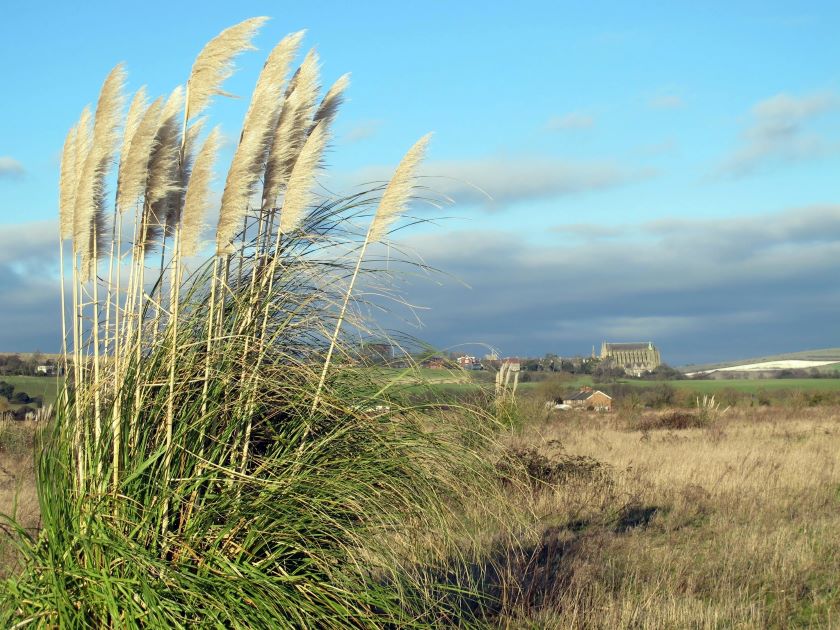
Wasteland: Monks Farm
Recorded: 11 January 2012
Formerly farmland, this area was left to the forces of natural succession before its eventual redevelopment. During these years of "benign neglect," the site became a hotspot of rich biodiversity.
The Mosaic Effect: Open wastelands provide a complex "mosaic" of habitats. Tall grasses and scrub provide cover for small mammals like Voles and Mice, which in turn support apex predators like Barn Owls and Kestrels. Such sites are the nurseries for Lancing's Roe Deer population, offering peace away from the busiest urban centres.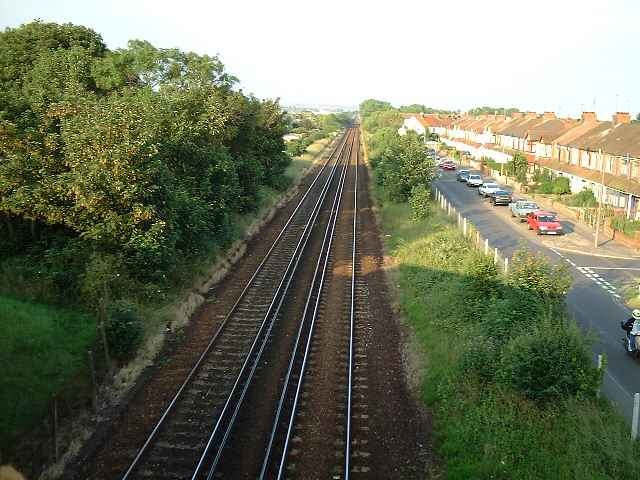
Wildlife Corridor: Railway Embankments
Site: View East from road bridge.
Railway lines are among the most important "linear habitats" in the UK. Because they are fenced off and rarely disturbed, the shrubbery and bramble develop into a continuous, protected belt of greenery.
Movement & Migration: These embankments function as a secure highway for animals. Foxes, Badgers, and Hedgehogs use these dark strips to navigate the town under cover. For insects, the undisturbed floral margins provide a consistent nectar source that isn't interrupted by garden mowing or agricultural clearing.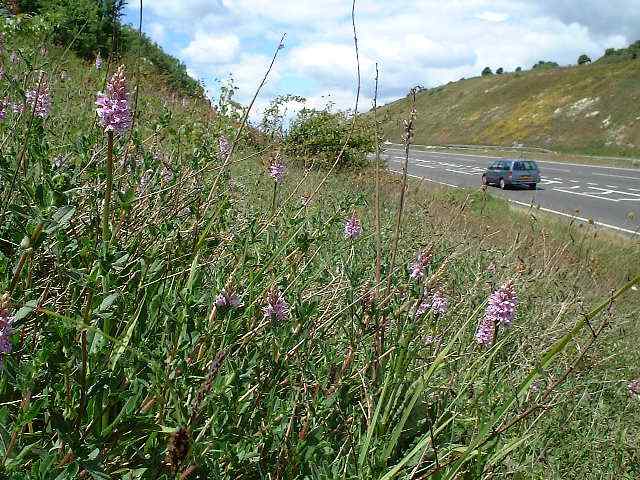
Roadside Verges: Mill Hill Cutting
Site: Shoreham by-pass cutting through the chalk hill.
The steep, chalky banks created by road engineering unintentionally replicate the conditions of ancient Downland. When left uncut, these verges become a haven for specialist wildflowers.
Chalk Grassland Refuges: The nutrient-poor chalk soil prevents vigorous grasses from taking over, allowing delicate species like Horseshoe Vetch or Wild Thyme to colonise. These roadside strips often host the specific plants required by the Adonis Blue and Chalk Hill Blue butterflies, keeping these rare species present in our local area.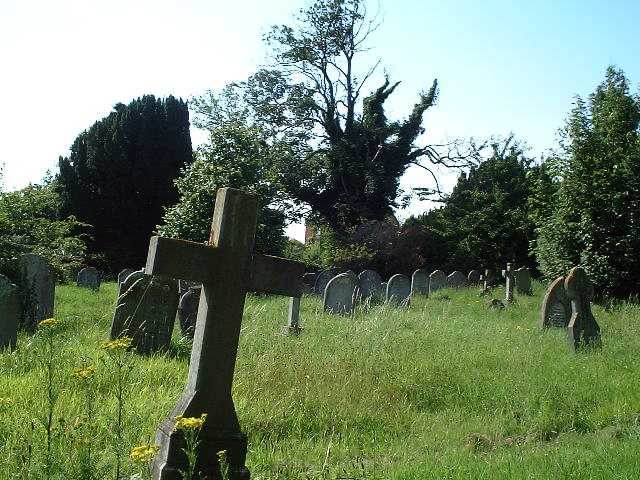
St James-the-Less Cemetery
Recorded: 19 July 2000
Cemeteries act as "islands of tranquility" within our urban structure. By leaving specific areas of grass uncut, we allow the land to function as a miniature meadow.
Sanctuaries of Continuity: Because cemeteries are rarely subject to modern development or heavy landscaping, they often preserve ancient, undisturbed turf. The mixture of old gravestones (providing lichen habitat) and surrounding mature trees provides nesting sites for Birds and roosts for Bats, maintaining a pocket of high-quality nature in the heart of Lancing.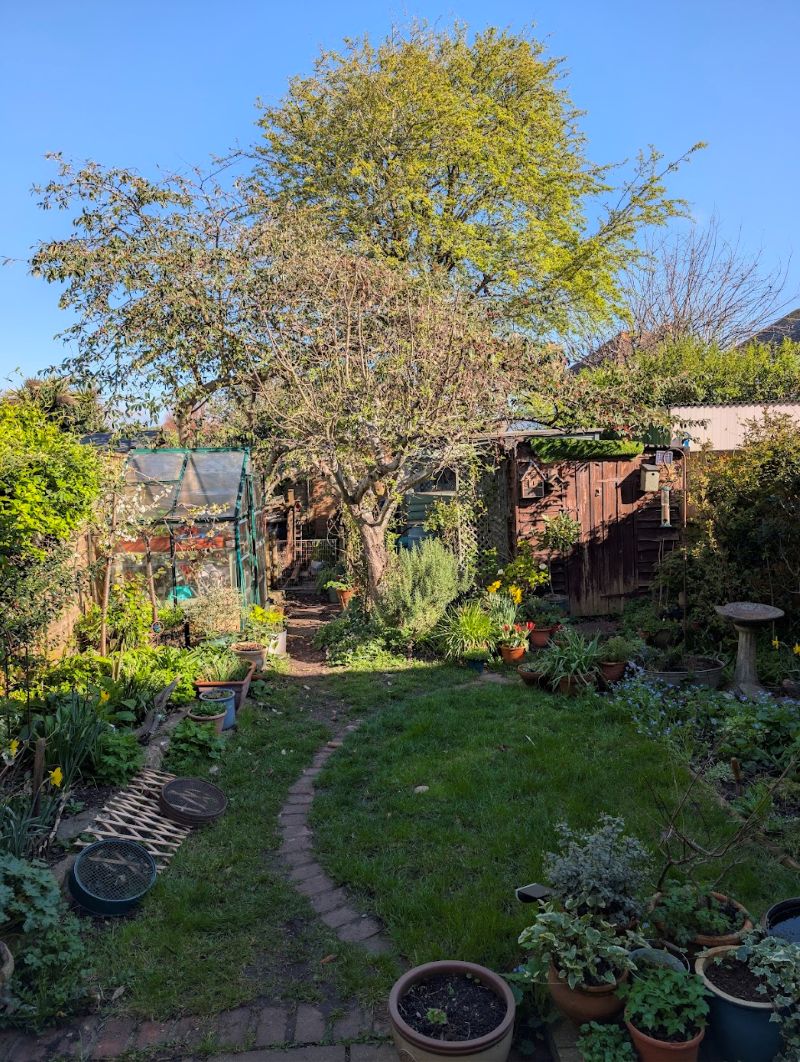
The Back Garden
Recorded: 02.04.2026
This is my back garden wildlife spotting area, I record any animal, insect, bug or mammal that I can see, sometimes I get a photo