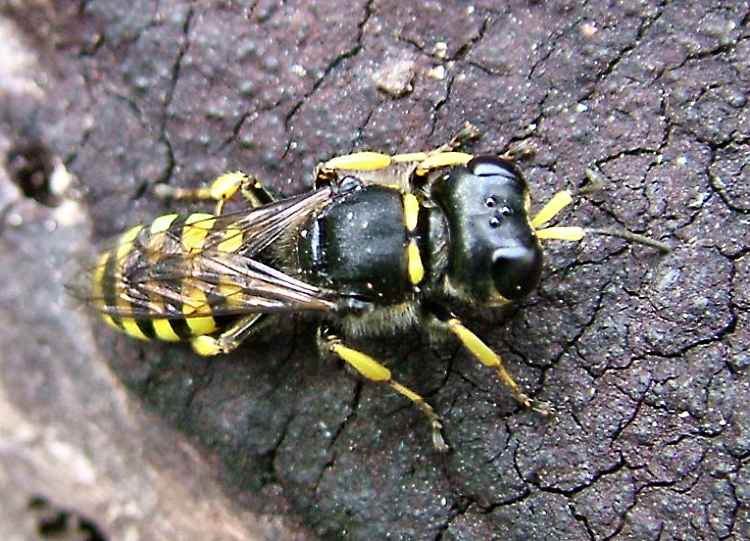
Ectemnius spp.
Ectemnius spp.
Solitary WaspThese are predatory wasps that often nest in dead wood. This specimen (possibly E. continuus) was found active in the garden during mid-summer.
Insects: Wasps (Hymenoptera)
Far more than just unwelcome summer picnic guests, wasps are the ancient evolutionary architects of the insect world —predating both bees and ants. This gallery documents the incredible diversity of wasps recorded across Lancing, showcasing everything from familiar social yellowjackets to spectacular, long-tailed parasitic ichneumons and jewel-like ruby-tailed wasps. Take a moment to explore their intricate structures, vital predatory roles, and the essential pest-control service they provide in our gardens.
Ectemnius spp.
These are predatory wasps that often nest in dead wood. This specimen (possibly E. continuus) was found active in the garden during mid-summer.
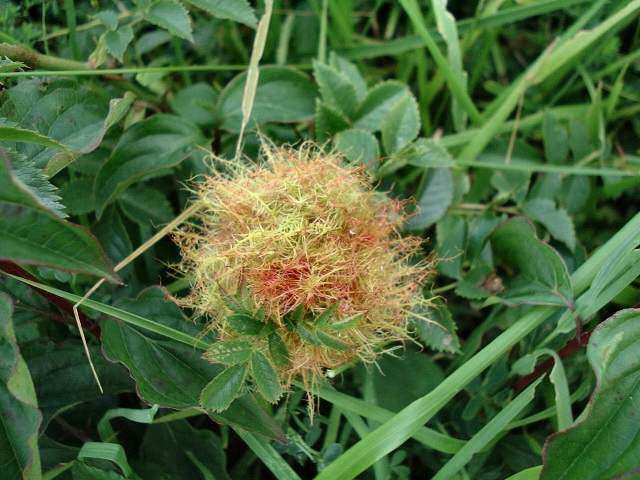
The strange, mossy red growths found on Wild Roses are caused by the larvae of this tiny gall wasp. It is a common sight on the downs and around Lancing Ring.
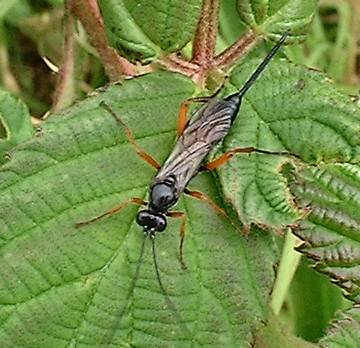
Formerly recorded as Pimpla instigator, this is one of the most distinctive ichneumon wasps with its black body and bright orange-red legs.
View Species Profile »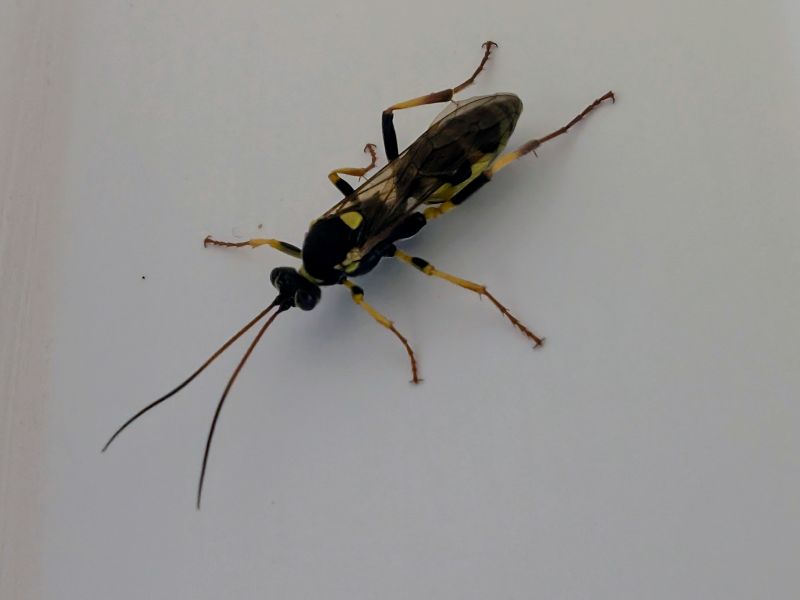
Being a parasitic wasp it does not possess a sting. The yellow and black markings of this Ichneumon are Batesian mimicry to avoid it being eaten by predators
View Species Profile »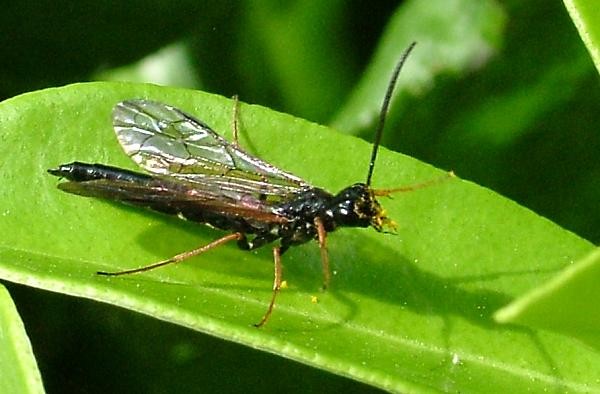
Apechthis compunctor
Apechthis compunctor is a sleek, solitary wasp known for its role as a "pupal parasitoid." It is frequently found in gardens, hedgerows, and woodland edges.
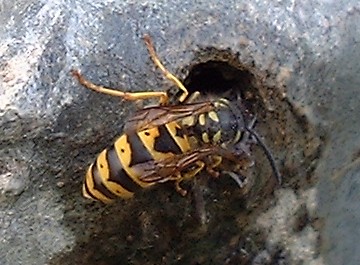
The familiar social wasp. While often maligned, they are important predators of many garden pests. This Queen would be looking for a suitable place to hibernate over the winter.
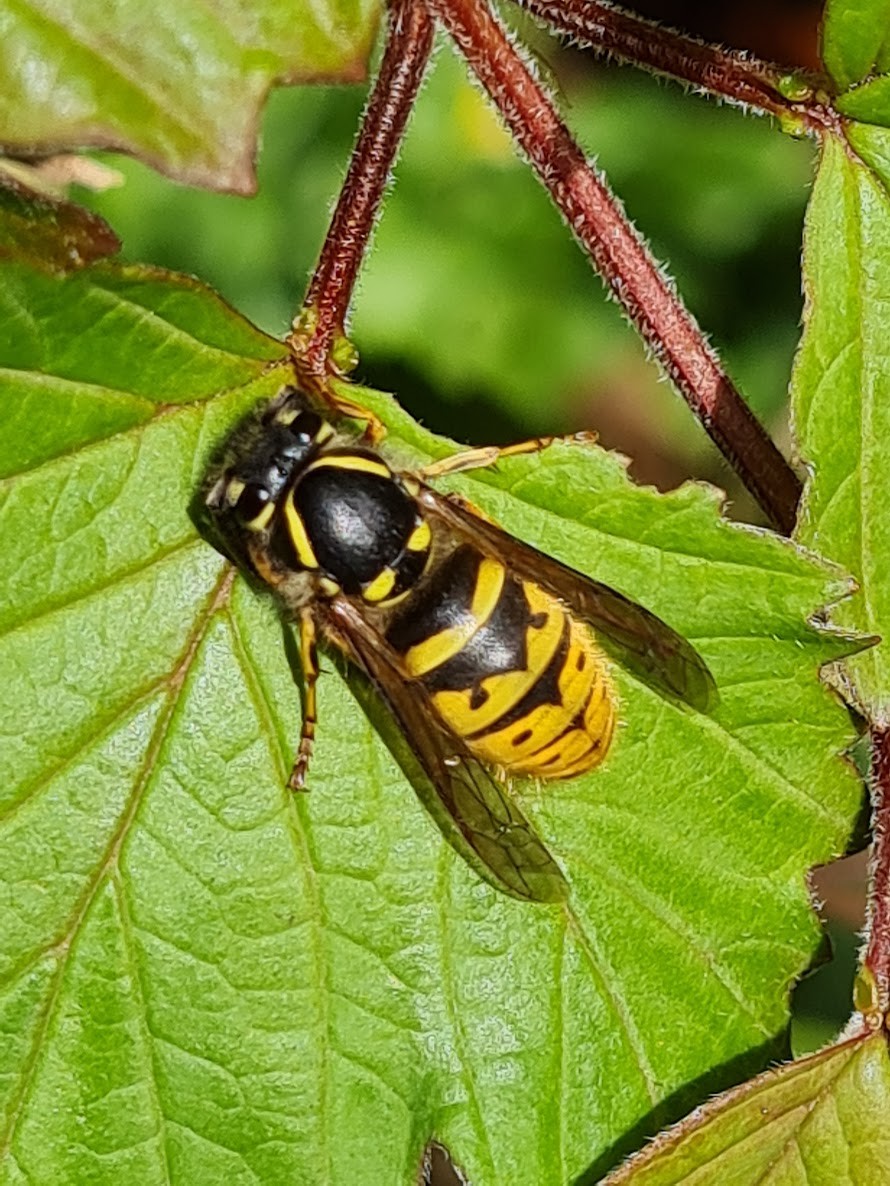
A large queen found active in early spring. At this stage, she is the sole architect of the new colony, foraging for nectar to sustain her efforts.
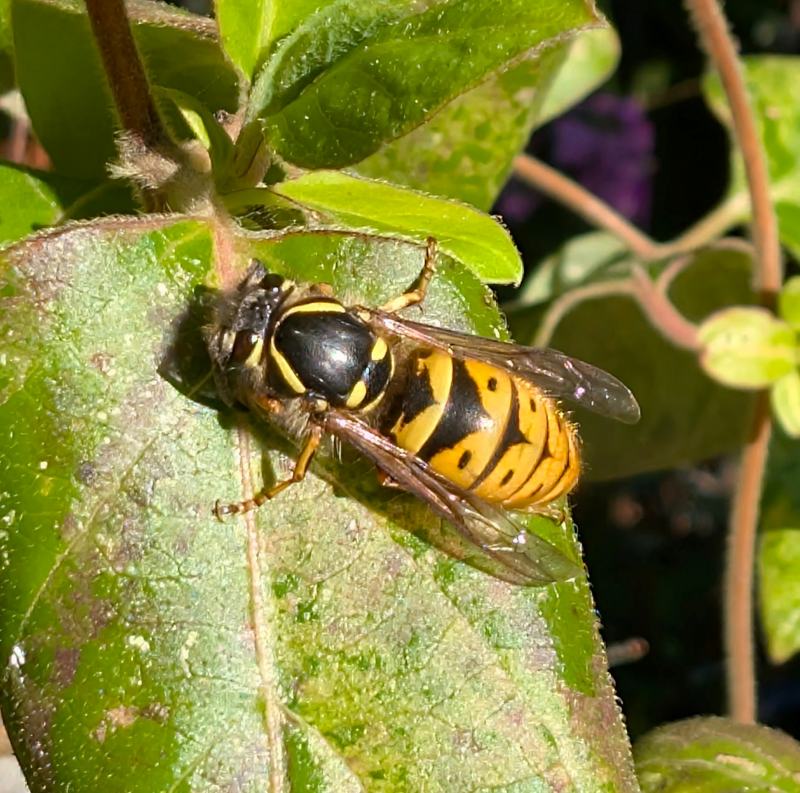
The emergence of the Queen Common Wasp is a definitive marker of early spring. Having overwintered in dormancy, she emerges to begin the solitary task of founding a new colony. Unlike the workers seen later in the summer, the Queen is notably larger, often reaching 20mm in length.
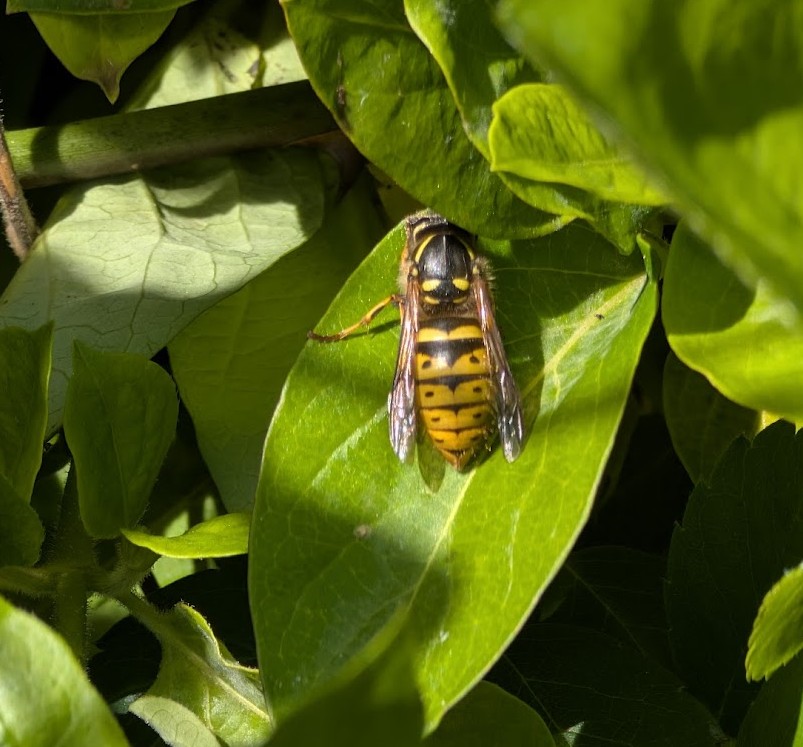
Searching for a nesting site. She seeks out natural hollows—such as those found in rotting tree roots or old stumps. On calm, sunny days, these queens can be surprisingly approachable while basking on foliage.
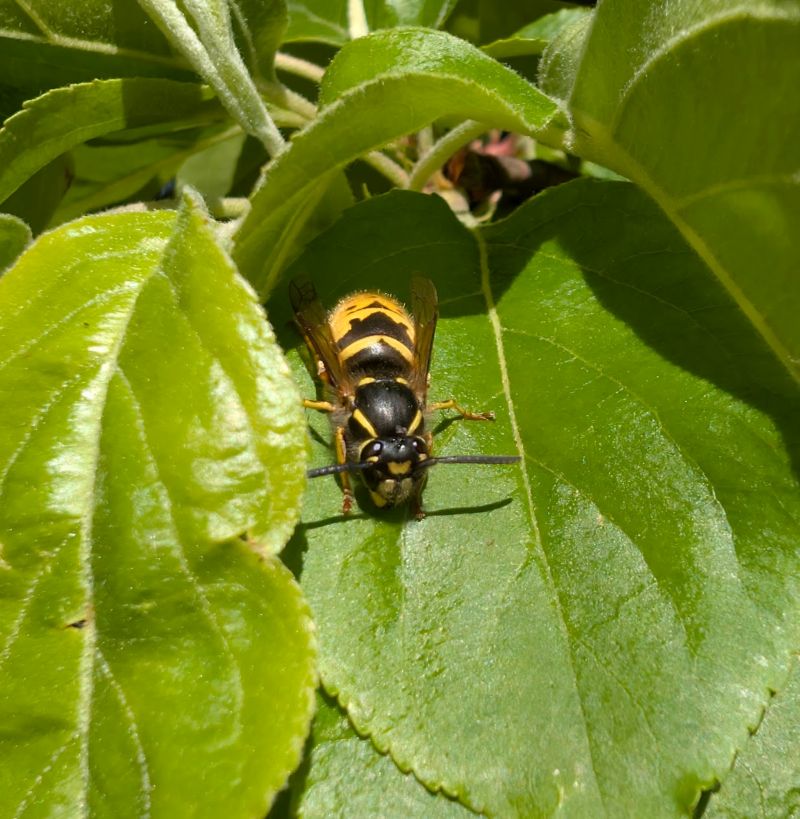
It's rare to see the wasp from this angle. On calm, sunny days, these queens can be surprisingly approachable while basking on foliage.