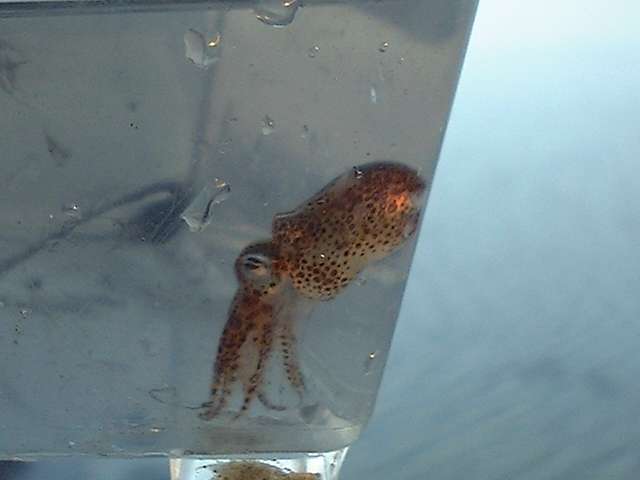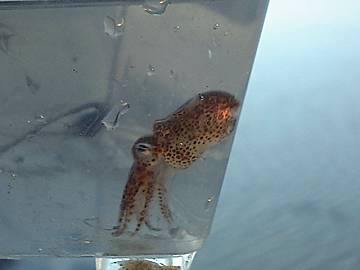
Little Cuttlefish
Sepiola atlantica
Observation: Captured off Lancing Beach
by Andy Horton.
Also known as the Atlantic Bobtail
Squid. Unlike the larger Common Cuttlefish, these small
cephalopods often bury themselves in the sand during the
day, coming out at night to hunt for small crustaceans.
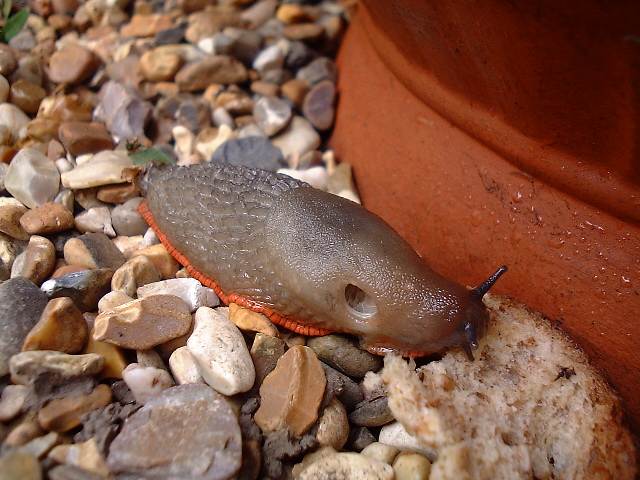
Large Black Slug
Arion ater
Site: West Sussex gardens and damp
woodlands.
A highly adaptable terrestrial
gastropod. While known as the "Black Slug," they are
famous for their variation in colour, appearing in shades
from deep orange to jet black.
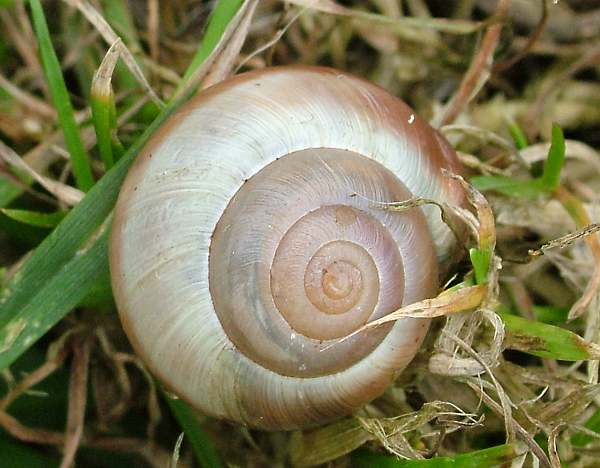
Kentish Snail
Monacha cantiana
Site: Recorded in Lancing; common on
roadside verges and chalk scrub.
A medium-sized snail with a pale,
creamy-white shell. A key identification feature is the
reddish or brownish tint often found just behind the "lip"
of the shell opening. Despite its name, it is found
throughout Southern England.
This species is often found
climbing tall grasses and umbellifers during damp weather
to avoid the heat of the ground.
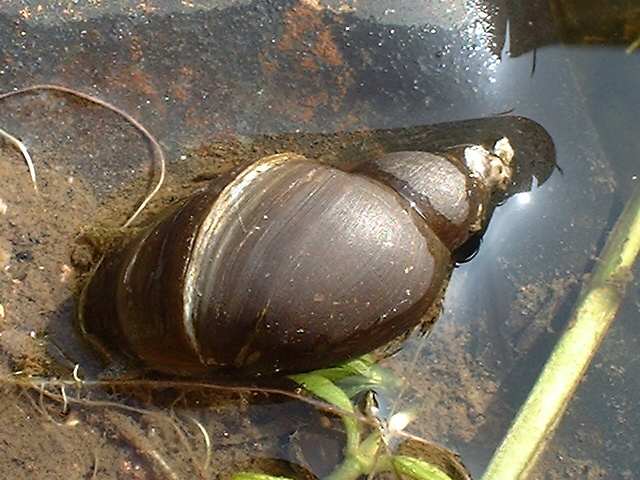
Pond Snail
Lymnaea sp.
Habitat: Freshwater ponds and
slow-moving ditches.
A common inhabitant of garden ponds and
local waterways. Unlike land snails, these freshwater
molluscs often have more pointed, elongated shells. They
are vital for pond health, acting as "cleaners" by
consuming algae and decaying plant matter.
Observation: Note the lack of
long stalks for eyes; water snails typically have their
eyes at the base of their tentacles.
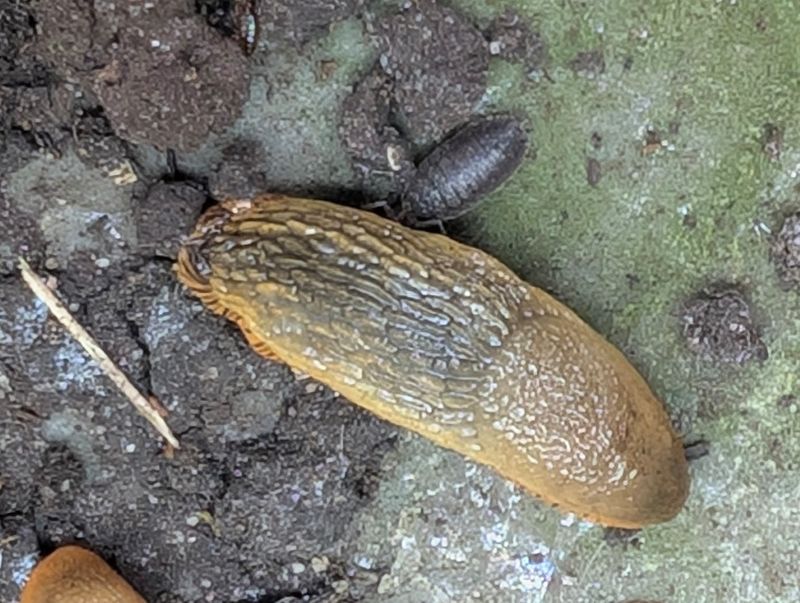
Dusky Slug
Arion subfuscus
Recorded: 28 March 2026 | Garden
Sighting
Distinguished by its
orange-brown colouration and the yellowish mucus it
produces when handled. It is a common species in British
gardens and woodlands, often found under logs or stones.