Lancing Nature

Habitats: Meadows & Grasslands

Nectar Corridors

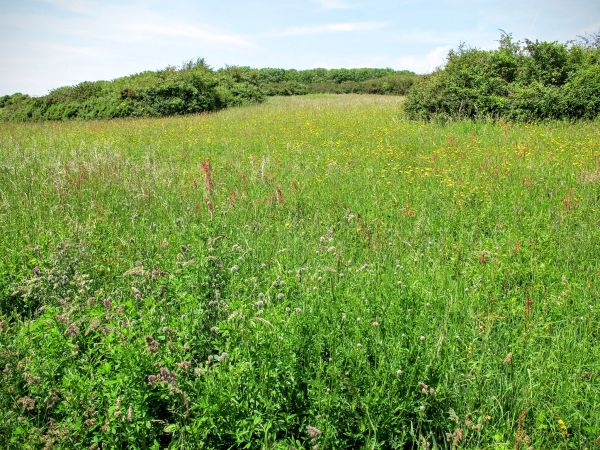
The meadows of Lancing and Sompting are vital strongholds for chalk downland flora. These grasslands are managed to encourage a high diversity of flowering plants, which in turn supports a massive population of invertebrates, from specialist beetles to the iconic butterflies of the South Downs.
MacIntyre's Field

MacIntyre's Field

Site: Lancing Ring LNR | Peak Month: June

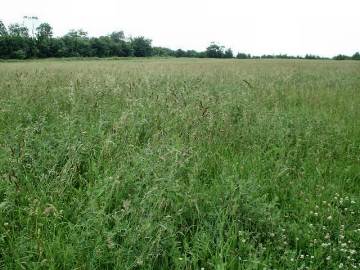
Located on the higher slopes of the Ring, this field is a key site for observing the interaction between pollinators and downland wildflowers.

Key Species Recorded
Marbled WhiteFlower Beetle Buff-tailed BumblebeeThick-thighed Beetle Common Green CapsidRoesel's Bush Cricket
Succession Note: In June, MacIntyre's Field becomes a sea of movement. The presence of Roesel's Bush Cricket is an indicator of the healthy, tall grass margins that provide shelter from predators while the shorter turf supports the Marbled White's larval food plants.
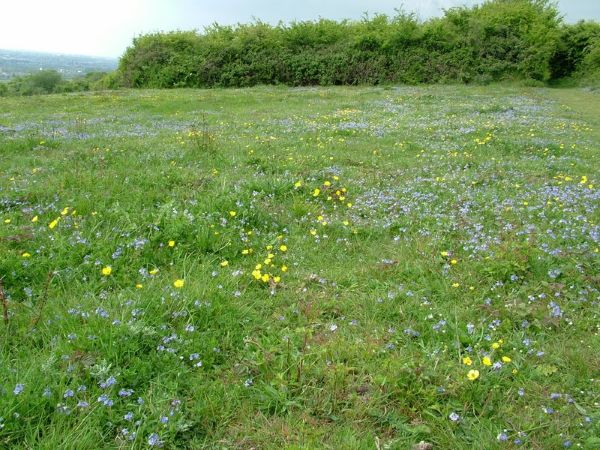
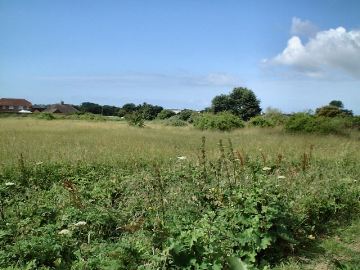
Lancing Ring Meadow Summer Bloom at the Ring South Meadow May 2010

Lancing Ring South Meadow

Site: Lower Slopes, Lancing Ring

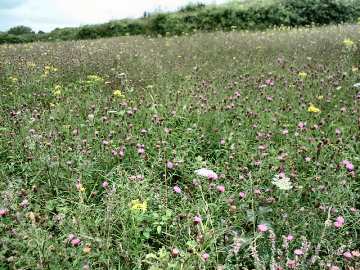
This lower meadow is remarkably rich in floral diversity. Observations in mid-August show a predominance of Common Knapweed and Wild Carrot.

Butterflies Recorded
Common BlueHolly Blue Small CopperGatekeeper Marbled WhiteBrown Argus
The Late Summer Feast: As the year progresses into August, the "South Meadow" provides a critical late-season nectar source. The architectural seed heads of Wild Carrot also offer essential roosting spots for butterflies like the Common Blue during cooler evenings.
Malthouse Meadow Sompting

Malthouse Meadow, Sompting

Status: Public Open Space

A beautifully situated meadow providing a westward view from the top of the slope. This site links our coastal habitats to the deeper downland.

Invertebrates & Plants

Meadow Plant BugField Bindweed SquashbugCreeping Thistle Potato CapsidSt John's Wort Cinnabar MothRed Clover Red Soldier BeetleRibwort Plantain Hoverfly (Xanthogramma)Common Poppy
Urban Connectivity: Malthouse Meadow acts as a "stepping stone" for wildlife. The presence of the Cinnabar Moth highlights the importance of allowing "weeds" like Ragwort to persist in these managed spaces, providing the specific host plants required for these striking insects to survive.